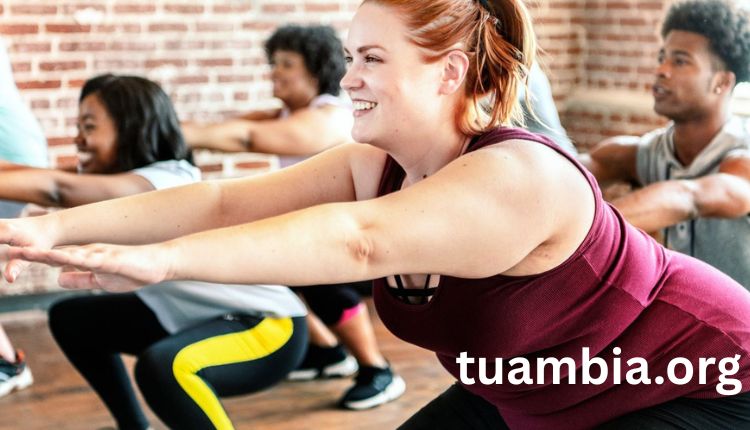
The health and wellness landscape is undergoing a massive and necessary shift. For decades, the mainstream fitness industry focused heavily on a narrow definition of peak physical performance. However, modern approaches now recognise that true health is fundamentally about accessibility. Inclusive fitness programs are rapidly becoming the new global standard, ensuring that individuals of all ages, backgrounds, and mobility levels can participate in structured, health-boosting activities. This shift is not just a passing trend in the wellness space. It represents a fundamental change in how we view community wellbeing, mental health, and physical longevity. By prioritising adaptability over intensity, the modern health sector is opening its doors to millions of people who previously felt left behind.
The Transformative Power of Accessible Movement
Moving our bodies is essential for long-term health, yet a significant portion of the population struggles to find safe and welcoming environments to exercise. According to the World Health Organization, while a large percentage of global adults remain inactive, following structured physical activity guidelines for individuals with disabilities proves that even adapted movements offer profound physical and mental health benefits. Movement does not have to be intense to be highly effective. Gentle, consistent activity improves cardiovascular health, boosts mood, and enhances overall physical resilience.
The primary goal of inclusive fitness is to break down systemic barriers that prevent participation. When wellness centres and community groups offer adaptive programs, they empower people to take charge of their own health. Securing tailored, professional support is often the very first step in this transformative journey. For instance, families and individuals seeking structured guidance can reach out to dedicated professionals, such as the team at Good Company in Perth, to find customised support services that help safely integrate accessible wellness programs into daily routines. This level of personalised care ensures that participants build confidence while significantly reducing the risk of injury.
Core Components of Inclusive Health Routines
An inclusive fitness program looks very different from a standard group gym class. It requires thoughtful design, specialised knowledge, and a strict commitment to individualised progress. Successful adaptive wellness routines typically share several key features that set them apart from traditional workout plans.
- Personalised Assessments: Before beginning physical activity, participants receive an evaluation to identify mobility levels, baseline strengths, and health goals.
- Adaptive Equipment: Modern facilities incorporate modified machines and seated options to easily accommodate diverse physical requirements.
- Focus on Functional Movement: Exercises are specifically designed to mimic everyday activities. This practical approach helps participants maintain independence and improve their overall quality of life.
- Community Engagement: Group settings are modified to encourage social interaction, combating isolation and boosting mental wellbeing.
- Supportive Environments: Instructors are specifically trained to foster a welcoming, non-judgmental atmosphere where mental wellbeing is valued just as highly as physical strength.
By seamlessly integrating these core elements, fitness professionals create a sustainable path to holistic health that respects each person’s unique capabilities.
Merging Exercise with Physical Recovery
A major pillar of inclusive fitness is the seamless integration of daily exercise with therapeutic recovery techniques. Building muscular strength is only half the wellness equation. Maintaining joint flexibility, managing chronic pain, and recovering properly are equally crucial for long-term success.
Universal fitness goals can easily overlap with targeted rehabilitation strategies. For example, maintaining a healthy weight or improving cardiovascular health often goes hand in hand with physical therapy routines for muscle recovery and balance training. These universal recovery methods can be successfully customised and adapted so individuals of all mobility levels can safely maintain their physical health. Whether through gentle manual therapy or personalised mobility drills, combining therapeutic recovery with daily movement ensures that participants do not overexert themselves. This blended approach effectively prevents chronic strain, helps heal existing injuries, and makes regular fitness routines much more sustainable over a lifetime.
A Healthier Future for Everyone
The future of health and wellness is undoubtedly inclusive. By moving away from restrictive and one-size-fits-all workout models, the fitness industry is finally acknowledging that everyone deserves the opportunity to feel strong, healthy, and capable. From tailored community support services to customised physical rehabilitation routines, the tools for accessible health are more available today than ever before. As our local communities continue to champion adaptive programs, we will undoubtedly see a healthier, more engaged society where physical activity is celebrated in all its diverse and beautiful forms.