I used to be that guy refreshing charts every five minutes, convinced I could nail the perfect entry point. Bitcoin at $28K? “It’s going lower.” Ethereum pumping to $2,200? “This is the top.” Spoiler alert: I was wrong more often than I was right, and it took me way too long to figure out what seasoned investors already knew.
Dollar-cost averaging changed everything for me. Instead of trying to be some crypto oracle, I started buying fixed amounts on a schedule regardless of price. Sounds boring compared to the adrenaline rush of timing markets, right? Maybe. But my portfolio started actually growing instead of bleeding from my terrible timing decisions.
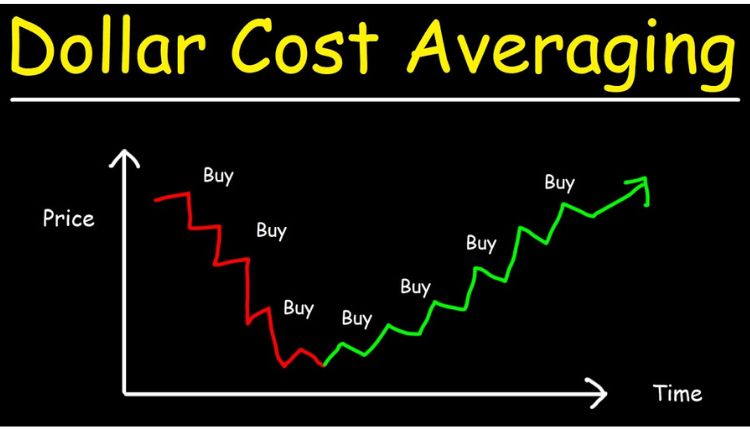
The concept is dead simple. You pick an amount you can afford to lose — let’s say $200 a month — and you buy that same dollar amount of crypto every month whether prices are up, down, or sideways. When Bitcoin is expensive, your $200 gets you less Bitcoin. When it’s cheap, you get more. Over time, you end up with a decent average price without the stress of trying to predict what this wild market will do next.
How DCA Actually Works in Practice
Here’s where it gets interesting from a math perspective. Back in January 2022, Bitcoin was sitting around $47,000. If you had thrown $2,400 at it all at once, you’d have been pretty miserable watching it drop to $15,500 by November. But if you had spread that same $2,400 across 12 months of $200 purchases, you would’ve bought at prices ranging from that $47K high all the way down to those $15K lows.
I actually ran the numbers on this scenario because I’m a nerd like that. The lump sum buyer would’ve paid $47K per Bitcoin and been down about 67% at the worst point. The DCA buyer? Their average cost would’ve worked out to around $28,000 per Bitcoin — still down, sure, but nowhere near as brutal. When Bitcoin eventually recovered past $35K in early 2023, the DCA person was actually profitable while the lump sum buyer was still underwater.
What really sold me on this approach was realizing how much mental energy I was wasting on market timing. I’d spend hours analyzing charts, reading tea leaves in RSI indicators, and generally pretending I could predict the unpredictable. Now I just set up automatic purchases and focus on other things. Like actually understanding the projects I’m investing in instead of obsessing over price movements.
The beauty is in the automation. Most platforms let you set up recurring buys, so you don’t even have to think about it. I’ve got mine scheduled for the 15th of every month, right after my paycheck hits. Whether the market is having a party or throwing a tantrum, that purchase happens automatically. It’s like having a really boring but effective investment buddy who never gets emotional about market swings.
Finding the Right Platform and Strategy
Not all platforms are created equal when it comes to DCA functionality. Some charge ridiculous fees that’ll eat into your strategy, others have clunky interfaces that make automation a pain. I’ve tried probably eight different exchanges over the years, and the differences in fee structures alone can make or break a DCA strategy.
You want low fees, obviously, but also reliability. Nothing’s more frustrating than your scheduled buy failing because the platform is down during a flash crash — which, let’s be real, is exactly when you want to be buying. I learned this lesson during the May 2022 Terra Luna collapse when my old exchange crashed right as everything was plummeting. Missing those low prices because of technical issues stung.
The scheduling flexibility matters too. Some people prefer weekly buys to smooth out volatility even more, others stick with monthly to keep things simple. I know someone who does daily $10 purchases because he gets paid daily as a freelancer. The key is matching your DCA frequency to your cash flow, not some arbitrary “optimal” schedule you read about online.
When researching platforms, I always check what happens during high volatility periods. Can you still execute trades when everyone’s panic buying or selling? How responsive is their customer service if something goes wrong? These aren’t sexy features, but they matter when you’re building a long-term strategy. Finding the best app to buy cryptocurrency for your specific needs often comes down to these practical considerations rather than flashy marketing promises.
Portfolio allocation is another piece worth thinking about. I don’t put all my DCA money into Bitcoin anymore — though that’s how I started. Now it’s split between BTC, Ethereum, and one or two smaller projects I actually understand and believe in. The ratios shift occasionally based on what I’m excited about, but the core discipline stays the same: regular purchases, regardless of price.
The Psychology Behind Why This Actually Works
The hardest part about DCA isn’t the mechanics — it’s sticking with it when your brain is screaming at you to do something else. During bull runs, you’ll feel like an idiot for not buying more. During crashes, you’ll question whether you should pause the strategy entirely. Both impulses are completely normal and completely wrong.
I remember feeling pretty stupid in late 2021 when everything was mooning and I was still doing my boring $300 monthly buys. Friends were throwing rent money at dog coins and bragging about 10x gains while I was over here being “responsible” with my systematic approach. Then 2022 happened, and suddenly my boring strategy didn’t look so boring anymore.
The psychological benefit goes beyond just smoothing out your emotions, though. There’s something powerful about having a plan and sticking to it regardless of external noise. Social media becomes less stressful when you’re not constantly second-guessing your positions. You stop doom-scrolling crypto Twitter looking for confirmation bias about your latest trade because you’re not making emotional trades anymore.
What surprised me was how much more I started learning about the actual technology and projects once I stopped obsessing over short-term price movements. When you’re not worried about timing the perfect entry, you can focus on understanding what you’re actually buying. Is this project solving a real problem? Do the tokenomics make sense? Is the team building something sustainable? These questions matter way more than whether you buy at $30K or $32K.
The compound effect is real too. Not just financially, but behaviorally. Each month that you stick to the plan builds confidence in the strategy. After a year of consistent DCA, market volatility starts feeling normal instead of terrifying. You begin to see dips as sale prices rather than reasons to panic. That shift in perspective alone has probably saved me from making several expensive emotional decisions.
Final Thoughts
Dollar-cost averaging isn’t the sexiest strategy in crypto, but it’s been a game-changer for my portfolio and my peace of mind. Instead of trying to time markets I can’t predict, I’m building positions systematically while focusing on learning about the projects I’m investing in. The math works, the psychology works, and most importantly, it’s sustainable for the long haul.
The key is finding a platform that makes automation easy and affordable, then having the discipline to stick with your plan through both bull and bear markets. Sure, you’ll miss some perfectly timed entries, but you’ll also avoid some spectacular mistimed disasters. After four years in this space, I’ll take consistent progress over emotional rollercoasters any day. If you’re tired of trying to outsmart the market, maybe it’s time to consider letting time and consistency do the heavy lifting instead.