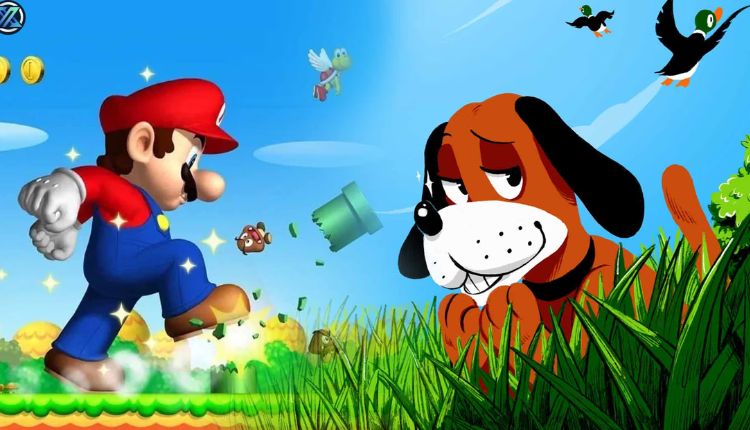
It might seem surprising that many of the most popular online games draw inspiration from the past. Bright pixel graphics, classic arcade mechanics, and familiar game styles often appear in modern titles. Far from being outdated, these elements are deliberately used by developers to tap into a powerful emotional driver: nostalgia.
Nostalgia plays a significant role in shaping how players experience games. By evoking memories of earlier gaming eras, developers create experiences that feel both comforting and exciting. The result is a blend of familiarity and innovation that continues to attract players across generations.
The Emotional Power of Nostalgia
Nostalgia refers to the warm, sentimental feeling people experience when they recall positive memories from the past. For many players, their first gaming experiences happened during childhood or adolescence, often involving simple consoles, arcade machines, or early computer games.
When modern games incorporate elements that resemble these early experiences, they trigger those memories. Familiar sounds, visual styles, or gameplay mechanics can instantly transport players back to earlier moments in their lives. This emotional connection makes the gaming experience feel more meaningful. Instead of simply playing a game, players feel as though they’re reconnecting with a part of their personal history.
Classic Gameplay That Still Works
Another reason why nostalgia plays such a large role in modern games is that many classic gameplay ideas remain incredibly effective. Early games were often built around straightforward mechanics that were easy to understand but difficult to master.
These mechanics created engaging gameplay loops that encouraged players to keep trying for higher scores or better results. Even today, simple yet satisfying gameplay continues to appeal to both casual and experienced players. Modern developers frequently revisit these classic ideas, updating them with smoother graphics, improved controls, and online features while maintaining the original spirit of the game.
Retro Aesthetics with Modern Technology
One of the most visible examples of nostalgia in gaming is the revival of retro aesthetics. Pixel art, 8-bit sound effects, and arcade-style interfaces are now widely used in modern games. This design style stands out in an era of hyper-realistic graphics. Retro visuals offer a distinct charm and remind players of the early days of gaming when creativity and imagination often filled the gaps left by limited technology.
Developers now combine these nostalgic visuals with modern game engines, allowing them to deliver smooth performance while preserving the look and feel of classic games.
Nostalgia Creates Instant Familiarity
When players encounter a game that reminds them of something they’ve played before, they feel comfortable immediately. Familiar mechanics reduce the learning curve and make the game easier to pick up.
This instant familiarity is especially important for online platforms that aim to attract casual players. Games that feel recognizable are often more inviting because players already understand how they work.
For example, many online platforms offer games inspired by classic arcade or traditional gaming formats. Players exploring Crazyvegas casino games may notice how familiar game structures and visuals make it easy to start playing right away. The sense of recognition encourages players to engage with the experience more quickly.
Nostalgia Bridges Generations
Interestingly, nostalgia-driven games don’t only appeal to older players. Younger audiences are often drawn to retro-inspired designs because they offer something different from highly complex modern titles.
For new players, retro-style games can feel refreshing and accessible. Meanwhile, experienced players appreciate the nostalgic references and familiar mechanics. This cross-generational appeal helps explain why many nostalgic game styles continue to thrive in the modern gaming industry.
Reimagining Classic Genres
Modern game developers rarely copy old games directly; instead, they reinterpret classic ideas in new ways. A familiar concept might be expanded with new features, multiplayer elements, or updated storytelling.
For example, a simple arcade concept might evolve into a cooperative online game or a puzzle title with social features. By blending classic mechanics with modern design, developers create experiences that feel both nostalgic and innovative. This approach allows players to enjoy the best aspects of older games while still experiencing something new.
Why Nostalgia Continues to Shape Gaming
As gaming technology continues to advance, nostalgia is likely to remain an important part of game design. Players value experiences that remind them of earlier moments while still offering modern convenience and innovation.
The success of many modern games shows that nostalgia isn’t about looking backward; it’s about building upon the past to create experiences that feel meaningful today.
By combining classic ideas with modern creativity, developers continue to prove that the emotional connection players feel with older games can be just as powerful in the digital age.
Industry insights referenced in this article draw on analysis by Kayla McBrien.