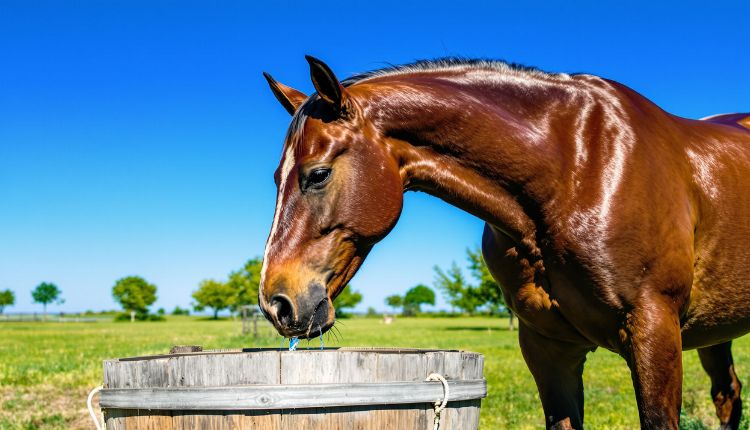
While the phrase may sound simple at first glance, it can have a deeper symbolic meaning depending on the context in which it is used. In many discussions of culture, storytelling, or metaphorical philosophy, this phrase can represent daily progress, persistence, and consistent pursuit of a goal.
Historically, horses played a vital role in transport, agriculture, warfare and trade. Due to their strength and endurance, they have become powerful symbols of endurance and movement. When people use a phrase like un cheval par jour, it can suggest the idea of constant progress—moving forward one step at a time, every day.
Introduction to Un Cheval Par Jour
In modern times, the phrase can also be interpreted metaphorically in personal development, productivity and goal achievement. This concept encourages individuals to focus on day-to-day activities rather than overwhelming long-term goals. Instead of trying to achieve everything at once, the philosophy promotes the idea of accomplishing manageable tasks every day.
The concept has gained traction in productivity discussions, lifestyle philosophies, and even creative storytelling. It promotes patience, discipline and a long-term perspective in pursuing ambitions. By focusing on consistent daily efforts, individuals can make remarkable progress over time.
In this article, we will explore the meaning, historical context, philosophical interpretations, and modern meaning of un cheval par jour and explain how the concept can inspire personal growth, productivity, and a balanced lifestyle.
The historical context behind Cheval Par Jour
To understand the deeper meaning of ‘un cheval par jour’, it is important to examine the historical significance of horses in human civilisation. For centuries, horses have been among the most valuable resources for travel, communication and economic development.
In many regions of Europe, especially France, horses were used for long-distance travel and courier systems. Messengers carrying important letters or government orders often relied on horses to move quickly between towns and cities. In some cases, riders traveled from one station to another, changing horses along the way to maintain speed and efficiency.
The concept of “one horse a day” may reflect the idea of sustainable travel and resource management. Horses required rest, food and care. Their wise use ensured that they could continue to work for long periods of time without exhaustion.
During the Middle Ages and the early modern period, horses also Un Cheval Par Jour symbolised status and power. Knights, soldiers, and merchants relied heavily on horses for mobility and survival. The day-to-day care of the horse included feeding, grooming and training, making the animal an integral part of everyday life.
Because of this deep connection between humans and horses, many sayings and cultural expressions have developed around them. These expressions often symbolised perseverance, discipline and the importance of constant progress.
Today, when people come across the phrase cheval par jour, they may not think about the historical facts behind it. However, understanding its historical context helps us appreciate the symbolic value it carries and the lessons it can teach about patience, responsibility and consistent effort.
The Philosophical Significance of Cheval Par Jour
In addition to the literal meaning, un cheval par jour Un Cheval Par Jour can be interpreted as a philosophical idea that emphasizes constant progress and daily commitment. Many philosophical traditions encourage individuals to focus on small but consistent actions rather than dramatic or sudden changes.
The philosophy of this phrase can be likened to the idea that success is achieved through constant effort rather than immediate results. By completing one meaningful task each day, individuals gradually move closer to their long-term goals.
In today’s productivity culture, this concept aligns with several widely accepted principles of personal development. These principles emphasise discipline, consistency, and patience as the foundation of success.
Key philosophical ideas associated with this concept include:
- Consistency is more powerful than short bursts of effort.
- Small daily actions can lead to significant long-term results.
- Patience and perseverance are essential for personal growth.
- Sustainable progress is better than rapid but unstable success.
When people adopt this mindset, they often experience less stress and more satisfaction in their daily lives. Instead of feeling overwhelmed by big goals, they focus on manageable tasks that gradually build momentum.
The cheval par jour philosophy encourages individuals to value the process of progress rather than focusing solely on the end goal. This way of thinking can improve motivation, productivity and overall well-being.
A cultural interpretation of Cheval Par Jour
Cultural expressions often have meanings that evolve over time. The phrase ‘un cheval par jour’ can be interpreted differently depending on the cultural, linguistic and social context.
In the traditions of the French language, expressions involving animals are common and often have a symbolic meaning. Horses in particular are associated with strength, travel, endurance and loyalty. Because of this symbolism, a phrase involving a horse can represent movement, progress, or sustained effort.
In literature and storytelling, such expressions are sometimes Un Cheval Par Jour used metaphorically to illustrate perseverance. Writers can use them to describe a character’s journey, emphasising the importance of patience and determination.
Cultural interpretations may also associate the phrase with everyday discipline. For example, completing one important task a day can represent responsible living and steady progress.
A few cultural themes often associated with this concept include:
- Devotion to daily duties
- Respect for a long-term effort
- Gradual Progress Award
- Recognition of patience as a virtue
These themes appear not only in European traditions but also in many other cultures around the world. The idea of making small, consistent efforts each day is universal and resonates with people from all backgrounds.
As a result, cheval par jour can be seen as a symbolic reminder that meaningful achievements often require time, determination, and consistent action.
Cheval par jour in modern productivity
In the modern world, productivity has become a major topic of discussion. Many people are looking for ways to effectively manage their time, achieve their goals and maintain a balanced lifestyle. The concept of cheval par jour fits perfectly into this conversation.
Rather than focusing on overwhelming workloads or unrealistic expectations, the philosophy encourages individuals to break down large goals into smaller, manageable tasks.
For example, writers, entrepreneurs, and students often use Un Cheval Par Jour similar strategies to maintain progress in their work. Instead of trying to complete the entire project at once, they focus on daily milestones that move them closer to completion.
Practical ways to apply this idea include:
- Set one important goal that you must accomplish every day
- Breaking down complex projects into small steps
- Track daily progress to stay motivated
- Prioritizing consistency over perfection
This approach can reduce stress and improve productivity by allowing individuals to focus on achievable tasks rather than overwhelming responsibilities.
Over time, daily achievements accumulate to create significant long-term progress. By adopting the ‘un cheval par jour’ philosophy, individuals can develop a sustainable approach to productivity and personal growth.
Symbolism of horses in personal development
Horses have long been powerful symbols in human culture. They represent strength, freedom, endurance Un Cheval Par Jour, and partnership between humans and animals. These qualities make horses important symbols in discussions of personal development.
In many motivational teachings, horses represent forward movement Un Cheval Par Jour and resilience. Just as a horse continues to move over long distances, individuals must continue to move toward their goals even when problems arise.
Horse symbolism in personal development often involves several key themes:
- Strength and determination in difficult situations
- Loyalty and partnership in a common endeavour
- Freedom and independence in fulfilling dreams
- Perseverance on long journeys to success
The phrase un cheval par jour can therefore be interpreted as a symbolic reminder to keep pace in life. Even when progress seems slow, consistent effort ensures that individuals continue to move toward their goals.
This symbolism promotes patience and resilience. It reminds people that meaningful achievements rarely happen overnight and that steady progress is often the surest path to success.
By embracing this symbolism, individuals can develop a mindset that values perseverance, discipline, and long-term commitment.
Practical applications of the Cheval Par Jour philosophy
The un cheval par jour philosophy can be applied in many areas of everyday life. From personal growth to professional development, the idea of completing consistent daily activities can help individuals achieve meaningful results.
One of the most effective ways to apply this philosophy is to focus on daily habits. Habits shape long-term success, and even small actions that are repeated over and over can lead to big improvements over time.
Examples of practical applications include:
- Reading a few pages of a book every day
- Regular writing to develop creative skills
- By exercising consistently to improve physical health
- Learning new skills through daily practice
- Setting small goals that gradually create bigger achievements
This approach encourages individuals to focus on progress rather than perfection. Instead of trying to achieve everything at once, they prioritize continuous improvement.
Another benefit of this philosophy is that it promotes sustainability. By maintaining manageable daily routines, people can avoid burnout and stay motivated for longer.
Over time, these small actions accumulate into significant achievements. The ‘cheval par jour’ principle shows that patience and consistency are powerful tools for long-term success.
Why Cheval Par Jour matters today
In today’s fast-paced world, many people feel pressured to achieve results quickly. Social media, competitive work environments, and constant connectivity often create unrealistic expectations of instant success.
The un cheval par jour philosophy offers a refreshing alternative to this way of thinking. Instead of chasing quick successes, it encourages individuals to value steady progress and sustainable growth.
This approach can improve mental well-being by reducing stress and encouraging realistic goal setting. When people focus on daily progress rather than immediate results, they often experience greater satisfaction and motivation.
Important lessons from this philosophy include:
- Long-term success requires patience
- Daily discipline builds strong habits
- Progress is more important than perfection
- Consistency leads to meaningful achievements
These lessons are especially important in modern life, where distractions and pressures can easily derail long-term goals. By embracing the idea of cheval par jour, individuals can stay focused and keep moving forward, even in challenging times.
Ultimately, this philosophy reminds Un Cheval Par Jour us that success is rarely about dramatic breakthroughs. Instead, it is often the result of consistent effort over time.
More Words
The phrase ‘un cheval par jour’ carries a strong message of endurance, patience and steady progress. While its literal translation refers to “one horse a day”, its deeper meaning can be interpreted as a philosophy of consistent effort and sustainable growth.
Throughout history, horses have symbolised perseverance and forward movement, making them suitable metaphors for personal development and long-term success. By adopting the mindset represented by this phrase, individuals can focus on manageable daily activities rather than overwhelming goals.
In modern life, this philosophy is especially valuable. It promotes discipline, reduces stress and promotes a healthier approach to productivity. By completing meaningful tasks every day, people can gradually build the success they desire.
The lesson of ‘cheval par jour’ is simple but effective: progress is made step by step.
Frequently asked questions
What does “cheval par jour” mean?
It’s a French phrase that literally means “one horse a day”. It can also symbolise steady progress and consistent daily effort.
Is ‘un cheval par jour’ a philosophical concept?
Yes, many people interpret it as a metaphor for consistent action and long-term persistence.
How can this concept improve productivity?
By focusing on completing one meaningful task each day, individuals can gradually achieve large goals without feeling overwhelmed.
Why are horses used as symbols in this phrase?
Historically, horses represent strength, endurance, and forward movement, making them powerful symbols of endurance.
Can the idea of ‘un cheval par jour’ apply to personal development?
Yes, the philosophy supports daily habits and consistent actions that lead to long-term growth and success.