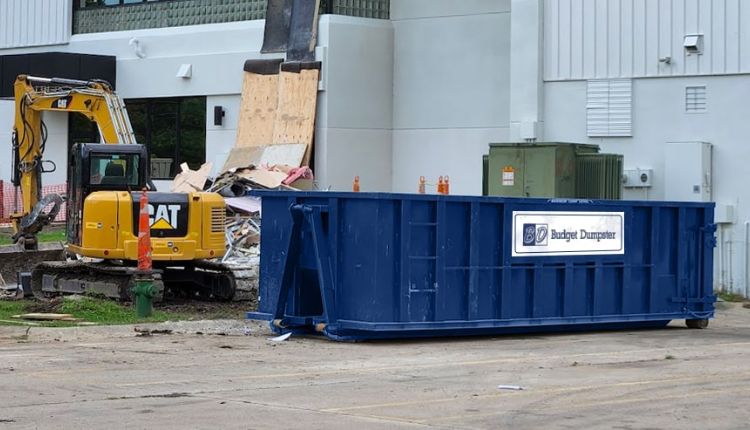
Remodeling projects require careful coordination across demolition, construction, and finishing phases. Whether updating kitchens, renovating bathrooms, or completing full-home remodels, contractors must manage materials, labor, timelines, and debris all at once. Among these responsibilities, waste removal plays a key role in maintaining workflow and keeping projects on schedule.
Roll-off dumpster rentals are one of the most effective tools remodeling contractors use to manage debris. When planned and coordinated properly, they support cleaner job sites, reduce downtime, and help crews focus on construction rather than cleanup. Understanding how to integrate these containers into remodeling projects can make a significant difference in both efficiency and overall project execution.
Why Remodeling Projects Generate Continuous Debris
Unlike single-phase construction tasks, remodeling projects often involve multiple overlapping stages. Demolition may occur in one part of the home while installation begins in another. This creates a steady stream of debris rather than a single large removal event.
Typical remodeling waste includes:
- Drywall, plaster, and insulation
- Old cabinetry and built-ins
- Flooring materials such as tile, hardwood, or laminate
- Trim, doors, and framing components
- Packaging from new materials and fixtures
- Fixtures, appliances, and miscellaneous hardware
Because these materials accumulate over time, having a reliable disposal solution is essential for maintaining an organized work environment.
Supporting Efficient Demolition Phases
The demolition phase is often the most debris-intensive part of a remodeling project. Removing walls, flooring, cabinets, and fixtures can generate large volumes of material within a short period.
Roll-off dumpsters allow contractors to remove debris immediately as it is generated. This reduces the need for temporary staging areas inside the home and helps keep workspaces clear.
By positioning a container before demolition begins, contractors can streamline the process and avoid unnecessary handling of materials later.
Maintaining Workflow During Active Construction
As remodeling projects move into construction and installation phases, debris continues to be produced, although at a slower and more consistent rate. Packaging, offcuts, and excess materials must still be managed effectively.
Having a dumpster onsite throughout the project allows crews to dispose of waste continuously. This helps maintain clear pathways, reduces clutter, and supports smoother movement between work areas.
Consistent waste removal prevents small amounts of debris from accumulating into larger cleanup challenges later.
Choosing the Right Dumpster Size
Selecting the appropriate container size is one of the most important decisions for remodeling contractors. The size should match the scope of the project while providing enough capacity to handle unexpected debris.
Factors to consider include:
- Size of the home or renovation area
- Number of rooms being remodeled
- Types of materials being removed
- Duration of the project
For smaller projects, a compact container may be sufficient. Larger remodels involving multiple rooms or structural changes often require larger containers or multiple pickups.
Contractors who plan for slightly more capacity than needed can avoid disruptions caused by containers filling too quickly.
Coordinating Dumpster Placement on Residential Properties
Placement is especially important on remodeling projects because work often takes place in occupied homes or residential neighborhoods. The container must be accessible to crews while minimizing disruption to the homeowner.
Common placement options include:
- Driveways for easy access and loading
- Side yards with adequate clearance
- Street placement when permitted
The goal is to position the dumpster close enough to the work area to reduce carrying distance while ensuring delivery and pickup trucks can access the site safely.
Protecting Property Surfaces
Remodeling contractors must take extra care to protect the homeowner’s property when using roll-off containers. Dumpsters can become heavy, especially when filled with dense materials such as tile or cabinetry.
Protective measures often include:
- Placing wooden boards under the container rails
- Avoiding placement on newly paved or fragile surfaces
- Distributing weight evenly inside the container
These steps help prevent damage to driveways and maintain a professional appearance throughout the project.
Managing Weight and Material Distribution
Different remodeling materials vary significantly in weight. Tile, stone, and plaster can quickly add substantial weight to a container, while materials such as drywall or wood are lighter but bulkier.
Contractors should monitor both volume and weight when loading dumpsters. Distributing materials evenly and avoiding overloading helps ensure safe transport and prevents delays during pickup.
Understanding the characteristics of each material allows contractors to make better use of available container space.
Scheduling Pickup and Container Swaps
Remodeling projects often require flexible waste removal schedules. A single container may not be sufficient for larger jobs, especially during demolition phases.
Scheduling timely pickups or container swaps helps maintain continuous disposal capacity. Monitoring how quickly the container fills allows contractors to plan service before overflow becomes an issue.
Working with providers such as Temporary Dumpster allows contractors to coordinate delivery and pickup schedules that align with project timelines.
Supporting Multiple Crews on Larger Projects
On larger remodeling projects, multiple crews may be working at the same time. Electricians, plumbers, carpenters, and finish crews all contribute to debris generation.
Providing accessible dumpsters ensures that each team can dispose of materials efficiently without interfering with others. Clear communication about container locations and usage helps maintain consistency across the job site.
In some cases, contractors may choose to use more than one container to support different work zones.
Maintaining Clean and Safe Job Sites
A clean work environment is essential for both safety and efficiency. Remodeling projects often take place in confined spaces where debris can quickly become an obstacle.
Using a roll-off dumpster helps:
- Keep walkways clear
- Reduce tripping hazards
- Improve organization within the workspace
- Allow crews to move freely between tasks
Maintaining a clean job site not only supports safety but also improves productivity by reducing time spent navigating around debris.
Improving Client Experience
Home remodeling projects often take place in occupied spaces, making the homeowner’s experience an important consideration. Excess debris can create inconvenience, noise, and visual clutter.
A well-managed dumpster helps contain waste and maintain a more organized appearance. This contributes to a smoother experience for the homeowner and reflects positively on the contractor’s professionalism.
Clear communication about dumpster placement and duration also helps set expectations and avoid misunderstandings.
Integrating Waste Management into Project Planning
The most successful remodeling projects incorporate waste management into the initial planning process. Contractors who consider debris removal alongside materials, labor, and scheduling are better prepared to handle the demands of the project.
Planning may include:
- Estimating debris volume
- Selecting appropriate container sizes
- Identifying placement locations
- Coordinating delivery and pickup schedules
By addressing these factors early, contractors can avoid reactive decisions and maintain control over waste throughout the project.
Reducing Labor and Handling Time
Without a dumpster, crews often need to move debris multiple times before it is finally removed from the site. This double handling increases labor time and reduces efficiency.
Roll-off containers allow materials to be moved directly from the work area to the disposal point. This streamlined process reduces unnecessary effort and allows crews to focus on productive tasks.
Over the course of a project, these efficiency gains can have a significant impact on overall timelines.
Roll-off dumpster rentals are an essential component of successful remodeling projects. By providing a centralized and efficient solution for debris removal, they help contractors maintain organized job sites, support safety, and keep projects moving forward.
When integrated into project planning and coordinated effectively, dumpsters become more than just a disposal tool—they become a key part of the construction workflow. For remodeling contractors, managing waste efficiently allows for smoother operations, improved client satisfaction, and more consistent project outcomes from start to finish.