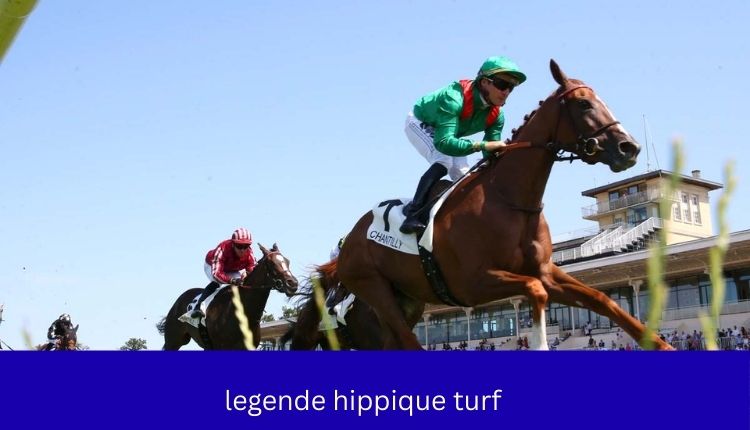
In the world of turf racing, legends are not born overnight. They are created through dedication, exceptional breeding, and the unbreakable bond between jockeys and their horses. The term “Legende Hippique Turf” translates as “Equestrian Legend” and symbolises the great champions who shaped the history of the turf. Understanding the concept requires examining its origins, the heroes of the sport, and how turf racing has thrived around the world.
The Meaning and Origin of the Légende Hippique Turf
The phrase “Legende Hippique Turf” comes from French horse racing traditions, where “hippique” refers to equestrian activities and “turf” refers to grass tracks used for racing. France has long been one of the central centres of horse racing, and prestigious events such as the Prix de l’Arc de Triomphe attract worldwide attention.
Over time, “Legende Turf” has evolved into a catchphrase used to describe the remarkable horses, trainers and jockeys who dominate the horse racing scene. It is both an honor and a category of excellence within the sport, celebrating the legends who elevate horse racing from a competition to an art form.
A rich history of turf racing
Turf racing has deep historical roots that go back centuries. In Europe, horse racing became popular in the 17th and 18th centuries, especially in France and England. Grass tracks became the preferred surface because they offered natural cushioning and less stress on the horse compared to dirt tracks. This shift created the foundation for what became a refined, elite sport.
The Legende Hippique Turf represents the culmination of this development. It includes not only famous races and champions but also the complex breeding, training and betting systems that define modern horse racing. Every aspect – from the line of thoroughbreds to the tactical skills of the jockeys – contributes to the legend. Over time, turf racing spread throughout the world, with regions such as the Middle East, Asia, and the Americas adopting and perfecting their own versions of the sport.
Iconic horses that define the turf of Legende Hippique
When people talk about Legende Hippique Turf, they mean unforgettable horses that have left an indelible mark on the world of horse racing. Horses such as Sea Bird, Ribot and Enable have achieved legendary status due to their consistency, strength and grace. Every race they won became part of turf racing folklore.
In France, Sea Bird’s dominance in the 1965 Prix de l’Arc de Triomphe remains one of the greatest performances in turf history. A more modern icon, Enable has captivated fans with her double Arc wins and unmatched durability. These champions aren’t just fast; they embody the spirit of elegance and determination that defines the term “hippique legend”.
The role of jockeys and trainers in creating legends
Behind every legendary horse is a skilled jockey and a visionary trainer. The synergy between horse and rider is what makes turf racing so fascinating. Jockeys must have perfect timing, strength and intuition to guide their horses through various track conditions. Trainers, on the other hand, are the masterminds behind the scenes, ensuring that each horse reaches peak performance.
In the Legende Hippique Turf world, trainers like André Fabre and Aidan O’Brien are revered for their ability to consistently produce winners. Their attention to detail, combined with innovative training methods, has revolutionised the way horses are prepared for major events. The partnership between jockeys, trainers and owners forms a triangle of excellence that keeps the sport competitive and exciting.
Breeding excellence and bloodlines in turf racing
One of the most fascinating aspects of Legende Hippique Turf is the science of breeding. Thoroughbred horses are bred for endurance, speed, and temperament, and their bloodlines are carefully maintained to preserve these qualities. Stud farms in France, Ireland, and Japan invest years of research into matching the right stallions and mares to produce future champions.
Pedigree analysis plays a major role in predicting performance potential. Legendary sires such as Galileo, Deep Impact, and Frankel have produced generations of successful racehorses who continue their legacy on the turf. This commitment to excellence in breeding ensures that the legacy of the sport remains strong and that new legends continue to emerge.
The global influence of the Legend of Hippique Turf
While the term is of French origin, the influence of Legende Hippique Turf extends far beyond Europe. Countries such as Japan, Australia, and the United States have developed their own turf racing traditions, often inspired by the European model. The globalisation of sport has also expanded betting markets, sponsorship, and fan engagement.
International tournaments now bring together the best horses from different continents to compete on iconic tracks. Events such as the Japan Cup, Melbourne Cup, and Breeders’ Cup have become the stage for world turf legends to showcase their prowess. This international competition enriches the sport and adds new layers of excitement for viewers around the world.
Technology and data in Légende Hippique Turf
Today, technology plays a vital role in shaping the world of Legende Hippique Turf. Advanced performance analytics, biomechanics and GPS tracking help trainers and jockeys optimise racing strategies. Data-driven step patterns and heart rate and recovery time data improved training accuracy and reduced the risk of injury.
In addition, fans and punters benefit from this technology through improved live streaming, predictive analytics and online betting systems. The digital transformation of turf racing has made it more accessible and interactive, bringing the excitement of the track to spectators around the world.
Cultural and economic impact of turf legends
Beyond the racetrack, the Legende Hippique Turf has a profound legende hippique turf cultural and economic impact. In countries such as France and the United Kingdom, horse racing contributes significantly to tourism and employment. Prestigious events attract thousands of visitors and generate significant revenue through sponsorships, media rights and luxury hospitality.
From a cultural point of view, turf races represent tradition, prestige, and national pride. It brings together people from all walks of life who share a passion for equestrian excellence. Turf legends have become a concept, immortalised in paintings, films, and literature. This fusion of sport and culture keeps the legacy of the Hippique Turf alive for generations.
Future Legend Hippique Turf
The future of Legende Hippique Turf looks bright as the sport continues to evolve with technology and global collaboration. Sustainability and animal welfare are becoming central themes that drive racing.
As new talent emerges among jockeys and trainers, and as data analytics continues to refine race strategies, turf racing is set to reach even greater heights. The essence of Hippique Turf—honour, skill, and tradition—will continue to inspire future generations of equestrian enthusiasts.
Conclusion
Légende Hippique Turf is far more than a phrase; it is a tribute to the enduring spirit of horse racing. It celebrates the champions, the dedication of trainers, and the artistry of jockeys who bring life to the turf. From the rich history of European tracks to the modern innovations that define the sport today, Hippique Turf stands as a symbol of excellence and legacy. Its stories remind us that while races may last only a few minutes, the legends they create endure forever.
FAQs
What does Hippique Turf mean?
It is a French phrase meaning “Equestrian Legend of the Turf,” used to describe exceptional figures in horse racing, including horses, trainers, and jockeys.
Where did Hippique Turf originate?
The term originated in France, one of the oldest centres of horse racing, and it reflects the country’s deep-rooted equestrian traditions.
Who are some famous turf racing legends?
Notable legends include Sea Bird, Ribot, Enable, and Frankel—horses celebrated for their dominance on grass tracks.
Why is turf preferred for horse racing?
Turf provides a natural surface that reduces impact on horses’ legs, making it safer and more comfortable for long-distance races.
What is the future of Hippique Turf?
The future looks promising with advancements in breeding, technology, and animal welfare, ensuring the sport continues to thrive globally.