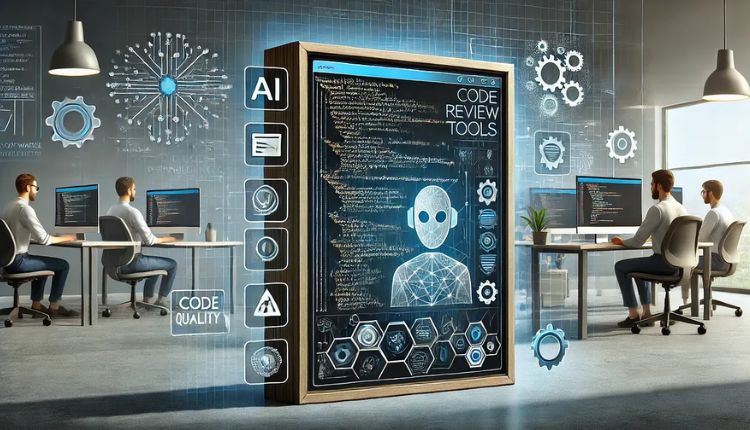
Ensuring the long-term stability and security of a codebase is one of the most significant challenges in modern software engineering. The core purpose of specialized AI Coding Tools focused on quality is to perform deep, automated analysis of code structures to identify bugs, performance bottlenecks, and security vulnerabilities. Unlike traditional static analysis, which relies on rigid rules, AI-driven tools can understand the semantic context of code. They can detect subtle logic flaws and “code smells” that human reviewers might overlook during a manual review process, ensuring that only the most robust code reaches the production environment. This proactive auditing is essential for preventing regressions in complex, interconnected systems.
The target audience for quality-focused AI tools consists of technical leads, Quality Assurance (QA) engineers, and cybersecurity specialists. In large organizations, these tools are often integrated directly into the CI/CD (Continuous Integration and Continuous Deployment) pipeline to serve as an automated gatekeeper. For independent developers, these tools act as a virtual senior mentor that provides immediate feedback on their work. By catching errors early in the development cycle—well before the testing phase—teams can save massive amounts of time and resources that would otherwise be spent on expensive “hotfixes” after the software has been released to users. This shift-left approach to security is a cornerstone of modern DevSecOps practices.
Key benefits of these intelligent auditing systems include objectivity and exhaustive coverage. A neural network does not suffer from the fatigue or cognitive bias that can affect a human reviewer after hours of looking at a screen. It can scan millions of lines of code in seconds, comparing the current project against known vulnerability databases and historical bug patterns. This results in a significantly higher level of software reliability and a lower total cost of ownership for the product. Furthermore, these tools often provide detailed explanations for why a certain piece of code is problematic, helping the developer learn and improve their skills over time. They also help in identifying inefficient algorithms that might cause high latency or excessive resource consumption.
In terms of usage, these platforms are usually connected to the project’s version control system, such as GitHub or GitLab. Every time a developer submits a “pull request,” the AI automatically generates a report highlighting potential issues and suggesting specific refactors. The developer can then review these suggestions, accepting the ones that align with the project’s goals. This process fosters a culture of transparency and high standards within the development team, as everyone can see the automated justifications for code changes. To maintain a healthy work-life balance while managing such high-stakes technical projects, many engineers also look for on our website for tools that help optimize their lifestyle and mental focus. AI is not just about writing code; it is about ensuring that the code we write is safe, efficient, and built to last.