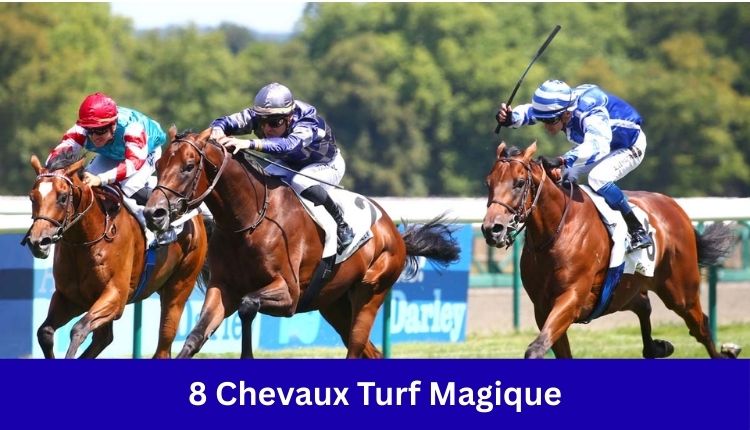
Recently, the term “8 chevaux turf magique” has gained popularity among bettors, which represents a unique approach to selecting horses for a race. In this guide, we’ll explore every aspect of the concept, from understanding the basics to advanced strategies to maximize your winnings.
Understanding 8 Chevaux Turf Magique
The term “8 chevaux turf magique” roughly translates to “8 magic turf horses” in English. It refers to a method where punters focus on selecting the eight horses in a race that have the highest potential to perform based on various factors.
- This approach emphasizes strategy over luck.
- It is used in turf races, which are races run on grass tracks.
- Bettors often analyse past performance, jockey statistics, and horse form.
The “magic” part of the concept comes from the idea that these eight horses are not a random choice. They are carefully selected based on statistical data and expert analysis. For newbies, understanding this concept can be the first step to smarter betting.
Horse racing involves many variables, including track conditions, weather and the physical condition of the horses. By focusing on eight horses, rather than trying to directly predict the winner, bettors can spread the risk and increase the odds of winning smaller, consistent bets. This strategy also allows you to create betting combinations that are necessary in systems like trifecta or superfecta bets.
Ultimately, chevaux turf magique is about finding a balance between probability and potential. By understanding the principles of this approach, bettors can make informed decisions that will improve their results over time.
The importance of horse form in betting
One of the critical elements in the 8 chevaux turf magique method is assessing the horse’s form. A horse’s form refers to a horse’s past performance and is one of the most reliable indicators of future performance.
- Track recent race results for consistency.
- Track the distances at which horses perform best.
- Evaluate how horses perform under different track conditions, especially on turf.
Form analysis includes not only wins and losses but also placements in previous races. For example, a horse that consistently places in the top three may be more reliable than a horse with occasional wins but frequent poor performances. Many punters use official horse racing tables or websites to track a horse’s form.
Another key aspect is the time since the horse last raced. Horses returning after a long break may need one race to regain peak performance. On the contrary, horses racing too often can become tired.
By combining form analysis with other factors such as jockey experience and track conditions, bettors can identify horses that have the potential to perform well. This forms the backbone of the chevaux turf magique strategy, allowing bettors to make informed selections rather than relying solely on luck.
The role of jockeys and trainers
In horse racing, the skills of the jockey and the expertise of the trainer are as important as the horse itself. The 8 chevaux turf magique system places great emphasis on these two components.
- Jockeys with strong track records can improve a horse’s performance.
- Trainers with turf racing experience often condition horses for optimal results.
- Analyzing the combinations of successful jockey-trainer pairings can yield insights.
Experienced jockeys know how to navigate the dynamics of racing, maintain pace and respond to unexpected challenges. On the other hand, coaches suggest race preparation routines that optimize endurance and speed. Bettors often study historical data to show which jockeys excel with certain horses or trainers.
In addition, some jockeys specialize in turf racing, while others perform better on dirt tracks. Understanding these preferences can help in choosing eight horses for the chevaux turf magique strategy. Tracking the performance of jockeys on different tracks and in different weather conditions also gives punters an advantage in identifying potentially high-performing horses.
By combining horse form, jockey skills, and trainer expertise, bettors can refine their selection and increase the likelihood of consistent wins.
Turf track conditions and 8 Chevaux Turf Magique
Turf condition is another critical factor affecting horse performance. In the 8 chevaux turf magique approach, bettors must carefully assess track conditions before making a selection.
- Tracks can be soft, firm or flexible depending on the weather conditions.
- Horses behave differently on different types of grass surfaces.
- Wet or muddy tracks can significantly affect race results.
Some horses are “turf specialists” and do exceptionally well on firm grass tracks, while others struggle in certain conditions. Bettors often watch track news and weather forecasts before the race.
Understanding turf conditions also helps in evaluating race strategy. Horses with strong acceleration may have an advantage on soft turf, while those with endurance excel over longer distances on firmer surfaces. Adjusting the selection of horses based on these nuances is the basic principle of chevaux turf magique.
By taking track conditions into account, bettors can make smarter decisions about which horses are likely to do well in the current racing environment, further increasing the odds of success.
Betting systems and combinations
The 8 chevaux turf magique method is not just about choosing horses; it is also about using effective betting systems. Using combinations allows bettors to cover more possible outcomes.
- Win, place and show bets for individual horses.
- Exacta, trifecta and superfecta bets to predict the order of the race.
- Spread the betting among the eight selected horses to minimise the risk.
For example, a trifecta bet involves predicting the top three players in an exact order. By including multiple eight-horse combinations, bettors can cover more options while keeping costs reasonable. This method effectively balances risk and reward.
Another system is box betting, where eight horses are arranged in different combinations to maximize the chances of achieving a winning order. Although it can be expensive, managing your bets correctly ensures that the profits outweigh the costs over time.
The strategic use of betting combinations with the chevaux turf magique approach increases the chances of winning while keeping losses manageable, making it a smart choice for both novice and experienced bettors.
Statistical tools and analyses
Modern horse racing has embraced data analytics and the 8 chevaux turf magique strategy benefits greatly from these tools. Bettors now have access to statistics, performance indices, and predictive models.
- Analyse historical performance metrics for each horse.
- Use probability models to estimate winning chances.
- Track trends like speed ratings and distance adaptability.
Software and online platforms can aggregate race data and present insights that were previously difficult to access. For example, some analytics tools provide ratings for horses, jockeys, and trainers, which can help in making informed selections.
By leveraging these tools, bettors can refine their picks and validate the eight horses chosen for their strategy. Statistical analysis reduces reliance on intuition and increases the likelihood of success, aligning perfectly with the disciplined approach of Chevaux Turf Magique.
Common Mistakes to Avoid
Even experienced bettors can make errors that reduce their chances of success. When applying the 8 chevaux turf magique strategy, avoiding these mistakes is crucial.
- Ignoring horse form or overvaluing favourites.
- Neglecting track conditions and weather impact.
- Failing to analyse jockey-trainer combinations.
- Overcomplicating betting combinations leads to unnecessary costs.
New bettors often focus solely on flashy horses or past winners without considering all the variables. Another common mistake is betting too aggressively on all eight horses, which can deplete funds quickly if not managed properly.
By staying disciplined, conducting thorough research, and focusing on key factors like horse form, track conditions, and betting combinations, bettors can mitigate risks and increase their chances of consistent returns.
Tips for Maximizing Wins Chevaux Turf Magique
Success in horse racing comes from a combination of knowledge, patience, and strategy. The 8 chevaux turf magique method offers a structured framework for increasing your betting success.
- Track each horse’s performance leading up to the race.
- Use a combination of betting systems to spread risk.
- Keep a record of wins, losses, and patterns for future analysis.
- Continuously refine strategies based on results and feedback.
Bettors should also stay informed about racing news, jockey changes, and unexpected factors such as injuries or late withdrawals. By maintaining a strategic approach and learning from each race, the chevaux turf magique method can be a reliable long-term strategy.
Consistency is key. Instead of chasing big wins with high-risk bets, focusing on steady, informed betting using these eight horses can produce sustainable profits over time.
Conclusion
The 8 chevaux turf magique strategy is an effective approach for bettors looking to improve their horse racing success. By carefully selecting eight horses based on form, jockey-trainer performance, track conditions, and statistical analysis, bettors can reduce risk and increase their chances of winning. Combining this method with strategic betting systems and disciplined money management ensures that the approach is both practical and profitable. With patience and consistent research, Chevaux Turf Magique can transform your horse racing experience.
FAQs About Chevaux Turf Magique
Q1: What does “8 chevaux turf magique” mean?
It refers to selecting eight horses in a turf race with the highest potential to perform based on analysis and strategy.
Q2: Can beginners use this strategy effectively?
Yes, with proper research and use of data, beginners can apply it successfully.
Q3: Do jockeys and trainers really impact results?
Absolutely. Skilled jockeys and experienced trainers can significantly influence a horse’s performance.
Q4: Is this strategy suitable for all horse races?
It is most effective for turf races but can be adapted for other types with careful analysis.
Q5: How do I manage betting costs with this strategy?
Using combination bets wisely and tracking results ensures efficient risk management.