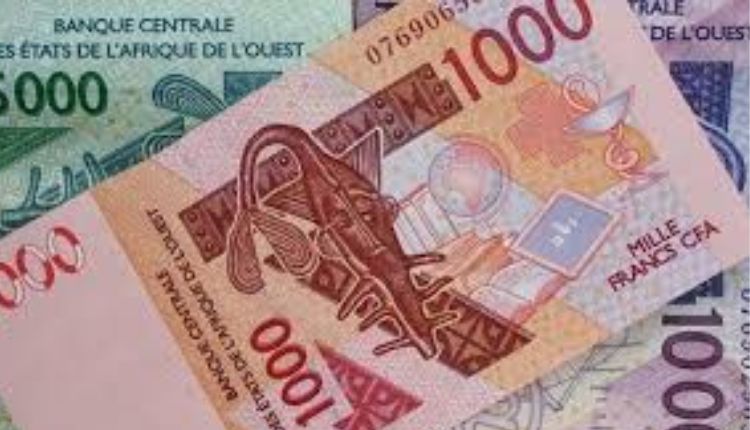
Understanding this conversion is important for travellers, investors, businesses, and anyone involved in international finance involving West and Central Africa. The “1 dollar en CFA” franc is divided into two main currencies: the West African CFA franc (XOF) and the Central African CFA franc (XAF). Although used in different regions, both currencies have the same value and are pegged to the euro, which indirectly affects their relationship to the US dollar.
Introduction to 1 Dollar EN CFA
When someone searches for “1 dollar en CFA“, they are usually trying to determine how much one US dollar is worth in CFA francs. This value fluctuates daily due to changes in global currency markets. The exchange rate depends on several factors, including economic performance, inflation rates, interest rates, and geopolitical stability.
For individuals sending remittances, even small changes in the exchange rate can significantly affect the amount received. Similarly, businesses importing or exporting goods between the United States and CFA countries must carefully monitor exchange rates to effectively manage costs. Understanding how the “1 dollar en CFA” works is not just about numbers – it is about understanding the wider economic implications and how global financial systems interact with each other.
In this article, we will explore the significance of this conversion, its historical background, influencing factors, and practical applications. By the end, you will have a clear and comprehensive understanding of how the USD to CFA exchange rate works and why it matters in today’s connected world.
What is the CFA franc?
The “1 dollar en CFA” is the currency used by 14 African countries, mainly in West and Central Africa. It is divided into two regions: the West African Economic and Monetary Union (WAEMU) and the Central African Economic and Monetary Community (CEMAC). Although issued by different central banks, both versions of the CFA franc have the same exchange rate value and are interchangeable in terms of value.
Countries using the West African CFA franc include Senegal, the Ivory Coast, Mali, Burkina Faso, Niger, Togo, Benin, and Guinea-Bissau. Meanwhile, the Central African CFA franc is used in Cameroon, Chad, the Central African Republic, Equatorial Guinea, the Republic of Congo and Gabon. These countries benefit from a shared currency system that promotes economic stability and facilitates trade within the region.

One of the most important features of the CFA franc is its fixed exchange rate with the euro. This fix provides stability but also means that the value of the CFA franc against the US dollar is affected by the euro-to-dollar exchange rate. Therefore, when analyzing “1 dollar and the CFA”, it is necessary to consider how the euro is doing against the dollar.
Key features of the CFA Franc include:
- Fixed exchange rate with the euro
- Low inflation compared to many other African currencies
- Centralized monetary policy
- Guaranteed convertibility by the French Treasury
While the CFA system provides stability, it has also been criticised for limiting economic independence. Some economists argue that it limits the ability of member countries to control their own monetary policy. Nevertheless, the CFA franc remains a key part of the financial systems in these regions.
Understanding the structure and use of the CFA franc is the first step to understanding how $1 is converted into this currency.
Current exchange rate: 1 dollar en CFA
The exchange rate of “1 dollar en CFA” fluctuates regularly due to fluctuations in the global foreign exchange market. According to recent trends, 1 US dollar is usually between 580 and 620 CFA francs, although this value may vary slightly depending on market conditions and the platform used for conversion.
Exchange rates are determined by supply and demand in the currency market. When demand for the US dollar increases, its value will increase relative to other currencies, including the CFA franc. Conversely, if the dollar weakens, the amount of CFA francs you receive per $1 decreases.
Several platforms provide real-time exchange rate information, including banks, financial websites and currency conversion apps. However, it is important to note that the rate you see online may differ from the rate offered by banks or money transfer services, as they often include fees or margins.
Factors affecting the exchange rate include:
- United States economic performance
- Inflation rate in CFA countries
- Differences in interest rates
- Global Terms and Conditions
- Political stability
For example, if the US economy is strong, the dollar tends to strengthen, meaning that 1 dollar and CFA will yield more CFA francs. On the other hand, economic problems in the US may lead to a weaker dollar.
Understanding the current exchange rate is essential to making informed financial decisions. Whether you’re sending money, travelling or investing, knowing how much 1 dollar is worth in CFA francs will help you plan better and avoid unexpected losses.
Factors Affecting the Conversion of 1 dollar and CFA
The conversion rate between the “1 dollar en CFA” franc is affected by many economic and financial factors. Because the CFA franc is pegged to the euro, any changes in the euro-dollar exchange rate directly affect the value of $1 in CFA.
One of the main factors is inflation. If inflation in the United States is higher than in CFA countries, the value of the dollar may decrease, resulting in a lower conversion rate. Conversely, stable inflation in the CFA regions helps to maintain the value of the currency.
Interest rates also play a significant role. Higher interest rates in the US attract foreign investment, increasing demand for the dollar and strengthening its value. This results in a higher conversion of CFA per $1.
Other important factors include:
- Trade balance between the US and the CFA countries
- Political stability in both regions
- Global economic trends
- Commodity prices, especially oil and minerals
For example, many CFA countries rely on natural resource exports. If global commodity prices rise, their economies may strengthen, which will indirectly affect currency stability.
In addition, geopolitical events such as conflicts or economic sanctions can affect currency values. Investors often move their funds into safer currencies such as the US dollar during uncertain times, increasing its value.
Understanding these factors helps explain why the exchange rate is not constant. It also highlights the interconnected nature of global economies and how events in one part of the world can affect currency values elsewhere.
The Importance of Exchange Rates for Travelers
The “1 dollar en CFA” exchange rate is particularly important for travellers and businesses operating between the United States and using the CFA.
The favourable exchange rate means travellers can get more CFA francs for their dollars, allowing them to spend more on accommodation, food and activities. On the other hand, a disadvantageous rate can make travel more expensive.
Businesses also rely heavily on exchange rates. Importers and exporters must take currency fluctuations into account when pricing their goods and services. A strong dollar can make US exports more expensive for CFA countries, while a weaker dollar can boost exports.
The main benefits of understanding exchange rates include:
- Better financial planning
- Reduced transaction costs
- Improved pricing strategies
- Increased competitiveness in global markets
For example, a company exporting goods to Senegal must consider how changes in the exchange rate will affect its profits. If the dollar strengthens, the company may have to adjust its prices to remain competitive.
Similarly, individuals sending remittances to family members in CFA countries must monitor exchange rates to maximize the amount received. Even small differences in rates can have a significant impact over time.
In short, understanding the importance of $1 en CFA is essential to making informed decisions in both travel and business contexts.
Historical background of the relationship between the CFA Franc and the USD
The relationship between the CFA franc and the US dollar has evolved over time, influenced by historical events and economic policy. The CFA franc was introduced in 1945 and was originally pegged to the French franc. After the introduction of the euro in 1999, the CFA franc was pegged to the euro.
This change significantly affected the relationship between the CFA franc and the “1 dollar en CFA”. As the euro and dollar are the world’s major currencies, fluctuations between them directly affect the CFA exchange rate.
Over the years, the CFA franc has maintained a relatively stable value thanks to its fixed exchange rate against the euro. This stability is beneficial for trade and investment, but it also has limited flexibility in responding to economic challenges.
Historically, the value of $1 en CFA has fluctuated due to:
- Changes in the euro-to-dollar exchange rate
- Global financial crisis
- Patterns of economic growth
- Policy changes in member countries
For example, during periods when the dollar strengthens against the euro, the value of $1 in CFA increases. Conversely, a strong euro leads to a lower conversion ratio.
Historical context helps us understand why the CFA franc behaves differently from other currencies. Its stability is both an advantage and a limitation depending on the economic situation.
By examining the past, we can better predict future trends and make more informed financial decisions regarding currency exchange.
Advantages and Disadvantages of the CFA system
The CFA Franc system has advantages and disadvantages that directly affect the value and stability of the “1 dollar en CFA”. One of the main advantages is the stability of the currency. A fixed exchange rate to the euro helps keep inflation low and provides a predictable financial environment.
This stability is beneficial for businesses and investors as it reduces the risk associated with currency fluctuations. It also encourages foreign investment, as investors have more confidence in a stable monetary system.
Benefits of the CFA system include:
- Stable exchange rates
- Low inflation
- Increased investor confidence
- Easier trade within member countries
However, the system also has disadvantages. One of the main criticisms is the lack of monetary independence. Member countries cannot control their own monetary policies because they must follow the rules set by the system.
Disadvantages include:
- Limited economic flexibility
- Dependence on external monetary policy
- Potential constraints on economic growth
For example, if a country is experiencing economic difficulties, it cannot devalue its currency to encourage exports. This restriction may hinder the economic recovery.
Despite these challenges, the CFA system continues to play a significant role in the economies of member countries. Understanding its pros and cons helps explain how the value of $1 en CFA is determined and why it remains relatively stable.
1 dollar and CFA outlook
The future of the “1 dollar en CFA” exchange rate will depend on various economic and political factors. As global markets continue to evolve, so will the relationship between the US dollar, the euro and the CFA franc.
One key factor to watch is the potential reform of the CFA system. Some countries have expressed interest in creating a new currency to gain greater economic independence. If such reforms are implemented, they could significantly affect exchange rates.
Other factors affecting the future include:
- Global economic growth
- Changes in American and European monetary policy
- Technological advances in finance
- Regional economic integration
Digital currencies and financial technology can also play a role in shaping the future of currency exchange. As more people use digital payment systems, the way we transfer and use currencies may change.
Despite these uncertainties, the CFA franc is expected to remain relatively stable in the near term due to its peg to the euro. However, long-term changes can alter this stability.
Understanding the future outlook helps individuals and businesses prepare for potential changes in exchange rates. By staying informed, they can adapt to new economic conditions and make better financial decisions.
Conclusion
The concept of “1 dollar en CFA” goes beyond a simple currency conversion. It reflects the complex relationship between global economies, monetary policies and financial systems. From its historical roots to its current value and prospects, the US dollar to CFA franc exchange rate plays a key role in international finance.
For travellers, businesses and individuals sending remittances, understanding this exchange rate is essential to making informed decisions. While the CFA system offers stability, it also presents challenges that must be considered.
Keeping up-to-date on exchange rates and understanding the factors that affect them will help you better navigate the world of currency exchange and make smarter financial decisions.
Frequently Asked Questions
What is the current value of $1 in CFA?
The value usually varies between 580 and 620 CFA francs, depending on market conditions.
Why does the exchange rate change?
It changes due to factors such as inflation, interest rates and global economic conditions.
Is the CFA franc the same in all countries?
There are two versions (XOF and XAF) but they have the same value.
Why is the CFA Franc stable?
Because it is tied to the euro, which provides a fixed exchange rate.
Can the CFA franc fluctuate freely?
No, its value is controlled by its fixed relationship to the euro.