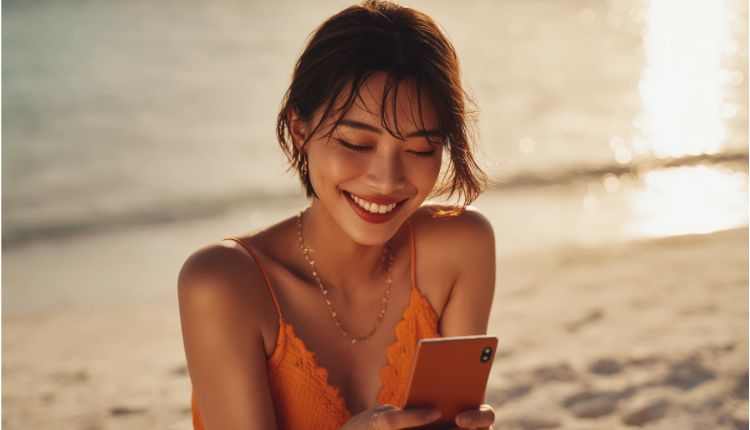
Every day we open our phones and enter a world of perfect images. Beautiful faces, perfect bodies, luxurious trips, moments of success. It seems like everyone around us lives more vividly, looks better, and achieves more. And us? We scroll through our feeds and, without even realizing it, start comparing our ordinary lives to these polished snapshots. As a result, our self-esteem plummets, our mood sours, and the thought “I’m not good enough” keeps spinning in our heads. In this article, we’ll explore how screens influence our self-perception and what we can do to avoid losing ourselves in this endless cycle of comparison.
How the Virtual World Erodes Our Self-Confidence
The virtual world is designed to constantly show us the best that others have to offer. Filters, flattering angles, professional editing, and carefully curated moments create an illusion of perfection. We see only the tip of the iceberg: a smile, a vacation, a new car, a beautiful selfie. Behind the scenes lie fatigue, doubts, failed attempts, and ordinary daily life.
When we compare ourselves to these idealized images, our brain jumps to a quick conclusion: “I’m worse off.” Self-esteem plummets, and envy sets in, along with dissatisfaction with our bodies, appearances, and achievements. This hits young people and those who spend a lot of time on social media especially hard.
Here’s how it usually plays out:
– After an hour on Instagram or TikTok, a person feels less attractive.
– Comparing oneself to others’ achievements creates the feeling that one’s own life is stagnating.
– Perfect bodies in photos lead to criticizing every wrinkle on one’s own.
– The constant feeling that “everyone else has it better” leads to apathy and a reluctance to do anything.
To avoid damaging your self-esteem in the online world, it’s important to develop a few simple habits. First, limit your time on social media. Set a timer for 20–30 minutes a day. Second, remind yourself that you’re only seeing an edited version of reality. Third, keep a list of your real achievements and qualities — write them down on paper, not in your phone notes. Fourth, take more screen-free breaks: go for walks, exercise, or meet up with friends in person. These simple steps help restore your sense of self-worth and stop measuring yourself against other people’s standards.
A Real-Life Perspective Instead of a Perfect Picture: The Role of Video Chats
Unlike static photos, live communication shows people as they really are. There’s no time for lengthy preparations or filters. A person appears on screen just as they are: with their facial expressions, voice, way of speaking, and minor imperfections. This helps us understand a simple truth — we’re all real people, not glossy pictures.
This is precisely where random video chats have played a crucial role in fostering healthy self-esteem. When you see your conversation partner in real time, comparisons become more honest. You notice that others also experience awkward pauses, imperfect hairstyles, or just a regular face without makeup. This relieves the pressure of “I have to look perfect”.
CooMeet video chat has become one of the best examples of this kind of live communication. It instantly connects you with real people, uses profile verification, and offers convenient filters. Thanks to this, communication feels natural and comfortable. Flirtbees works in a similar way. This Flirt bees webcam chat casual format gives you the confidence to meet real people, because it’s far better than staying alone in the world of online life’s beautiful facade — and it guarantees a minimum of staged moments. Many users note that after a few conversations in this format, they began to feel more at ease with their appearance. The feeling that everyone around you is perfect and you’re not has disappeared. A new understanding has emerged: real people look different, and that’s exactly what makes them charming.
These kinds of live chats bring us back to reality. They show that attractiveness isn’t about a perfect filter, but about a genuine smile, sincere tone, and energy. When you see a person without a mask, it’s easier to accept yourself just as you are.
How to Protect Your Self-Esteem in the Digital World
Screens aren’t going anywhere, but we can change our attitude toward them. The main thing to remember is that what we see in our feed isn’t the whole truth — it’s just a pretty wrapper. Real people are imperfect, and that’s precisely where their strength lies.
Start small. Cut back on scrolling, and add real conversations and face-to-face meetings to your life. Replace comparing yourself to others’ photos with comparing yourself to who you were yesterday. And every now and then, let yourself see others without filters — through a live look into the camera. Then your self-esteem will stop depending on other people’s ideals and will be based on your own reality.
Ultimately, we decide for ourselves what to believe: glossy photos or real people. Choose the latter — and the world around you will become much kinder to you.